
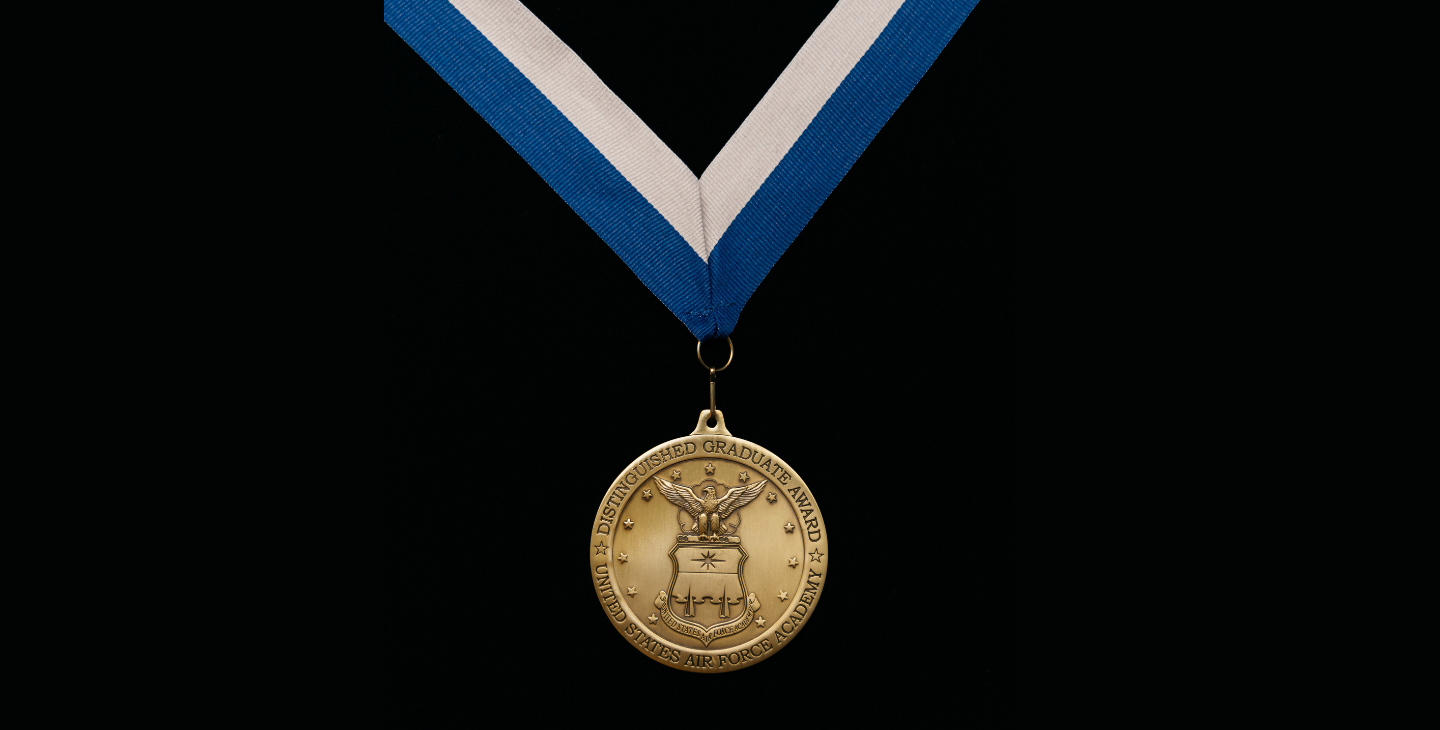
Checkpoints: Exemplifying Excellence - The Distinguished Graduate Award
Mr. W. William "Bill" Boisture Jr. ’67
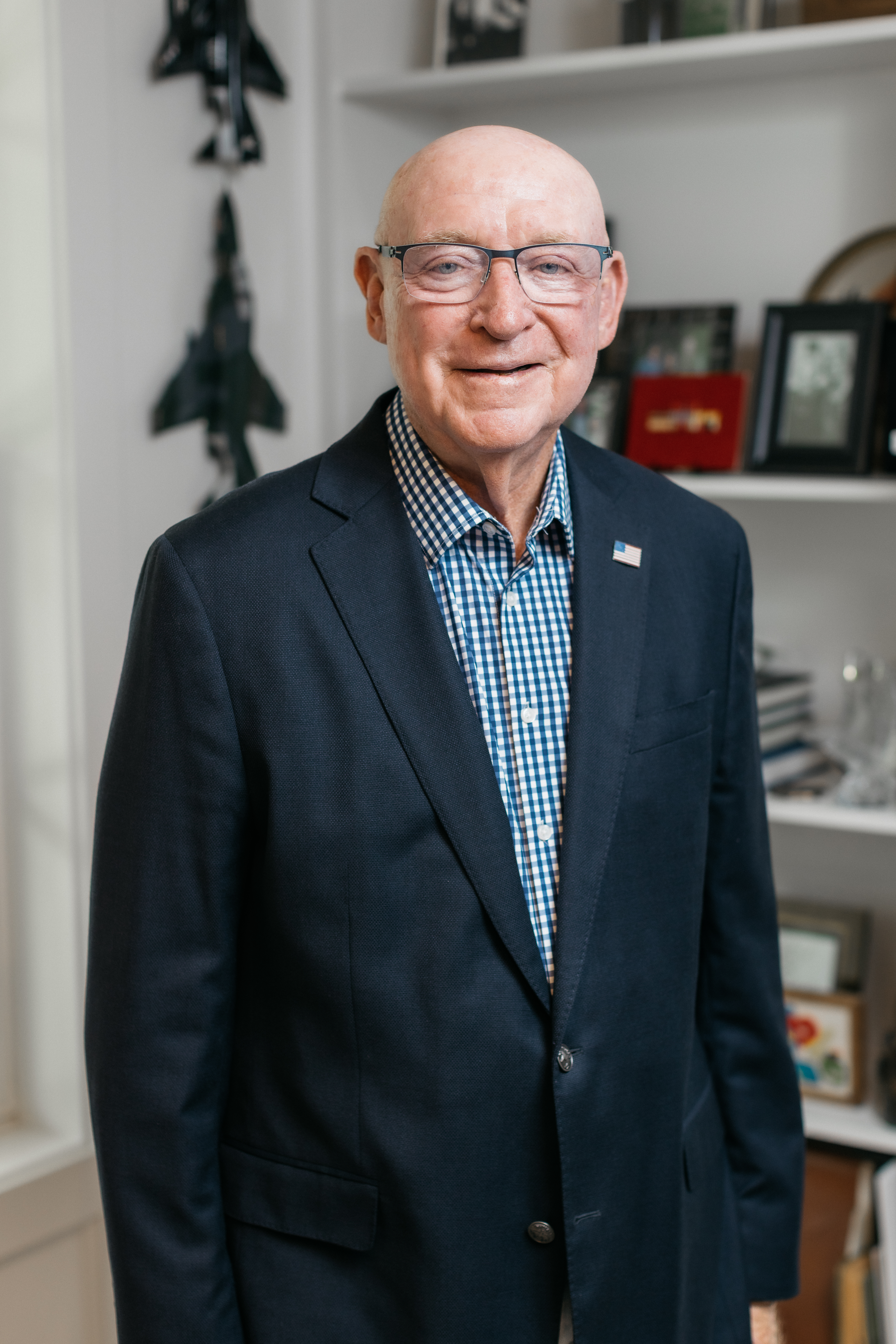
Years before Worth W. Bill Boisture Jr. ’67 led some of the most influential companies in business aviation, his eyes were already fixed on the sky.
Growing up in Baton Rouge, Louisiana, the son of a Marine Corps officer who survived the brutal fighting on Iwo Jima, Boisture was surrounded by quiet examples of service. An uncle had graduated from the U.S. Naval Academy during World War II and become a naval aviator. Patriotism, he says, was simply part of family life.
“I’m not quite sure I can put my finger on what inspired me to serve,” Boisture says. “But my dad’s willingness to serve was in the fabric of our family. We grew up in a threekid family with modest means, and patriotism was important.”
His fascination with aviation, however, came from somewhere else entirely. “I came to the desire to fly all on my own," he says. “I was always looking up. I kept a little log of the airplanes I could identify. I built model airplanes; they all hung from the ceiling of my bedroom — the heaviest one, a B-29, right over my head.” That fascination eventually led him to the U.S. Air Force Academy. As a high school senior, he reasoned that if he wanted to fly, the Academy must be where future pilots were made. “It was just about that simple,” he says. His first application ended in disappointment.
“I was counting on it so much,” Boisture recalls. “When I got the letter saying I hadn’t been accepted, I enrolled in summer school at Louisiana State University, taking math and English and, frankly, doing mediocre work in both.” Then another letter arrived.
The Turning Point
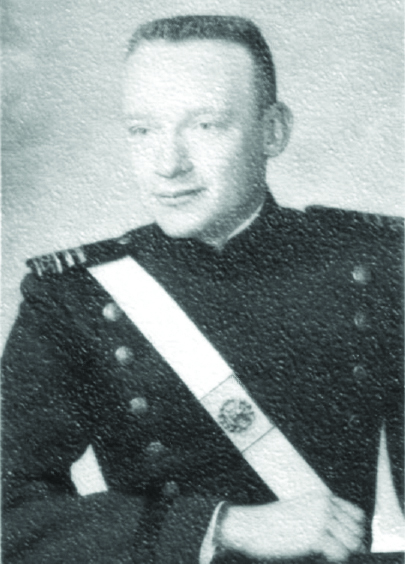
Postmarked Dallas, the correspondence came from Maj. Gen. (Ret.) Robert Smith and the Falcon Foundation, offering Boisture a scholarship to attend prep school near Bandon, Oregon. Looking back, he still sees that opportunity as the turning point of his life.
“I don’t know what would have happened otherwise,” he says. “None of the opportunities — the Air Force, flying, the people I’ve met, my military career, my business career — would have happened the way they did. That’s what I mean when I say the Falcon Foundation changed my life.”
The Millard School, perched on Oregon’s rugged southwestern coast, offered few distractions and one clear mission.
“They taught math, and they taught English and then they taught English, and math — and that was it,” Boisture says with a laugh.
The focused academic environment prepared him for another shot at the Academy. But even with that preparation, arriving in Colorado Springs in 1963 was a shock.
Coming from nearly sea level in Baton Rouge, Boisture vividly remembers grabbing his issued gear during inprocessing and double-timing up to his dorm room on the top floor of Vandenberg Hall. “By the time I got up there at 7,000 feet, I was breathless,” he says. “I just remember thinking, ‘Whoa, this is big time.’”
The elevation challenged him, but not as much as the academics. “I more questioned my ability to achieve than my decision to come,” he says. “I was never what the dean would have called a great student. The first two years, I always felt like I was at risk.” His mother briefly celebrated when he told her he had landed on an academic list. “I had to tell her, ‘Mom, it’s the wrong list.’”
Still, Boisture never considered quitting. “I never felt like I didn’t want to be there,” he says. “I was concerned I might not make it.” The military environment, on the other hand, fit him naturally. “I flourished,” he says. “I accepted the discipline and saw it as a challenge.”
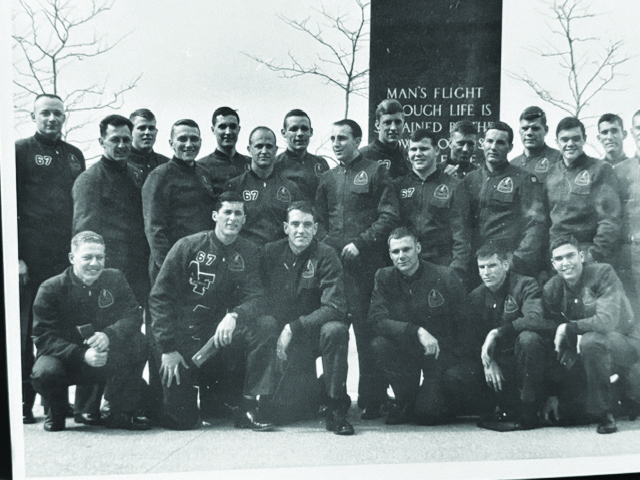
Boisture played varsity baseball until academic demands forced him to step away, eventually earning one of the Academy’s most significant cadet leadership positions as squadron commander during his firstie year. He also helped lead the first basic cadet training program conducted at Jacks Valley. “We’d never done this before,” he says. “So we had to figure out how to do it while maintaining the discipline and rigor.” The experience reinforced a leadership philosophy that stayed with him throughout his career. “You lead by example,” he says. “You don’t lead by dictation.”
The Academy also gave him something more enduring than leadership experience. “Certainly, the Academy leaves you with an Honor Code that stays with you your whole life,” Boisture says. “The Academy also taught me the value of being prepared and focused. And when you think you are prepared and focused, you better get prepared and focused again.”
Those lessons paid immediate dividends. Boisture graduated first in his undergraduate pilot training class. Unlike his Academy coursework, flying came naturally. “This is something I really wanted to do,” he says. “It wasn't work — it was fun. Then I found out I could do it. Good breeds better, better breeds best, and I just built momentum.”
A childhood dream
The Air Force assigned him to the F-4 Phantom II. It was a boyhood dream come true.
“I wanted a fighter,” he says. “I remember seeing an F-4 for the first time on the flight line in Selma, Alabama. It was this big, noisy, ugly airplane. I thought, ‘That’s it. That’s the one I want.’”
Over the next several years, Boisture flew approximately 230 combat missions during the Vietnam War, many of them with classmate and navigator Burt Slusher ’67 in the back seat. “We probably flew about 100 missions together,” Boisture says. “Burt was an exceptional athlete and a great student, and we developed tremendous trust in one another.” Their squadron flew strike missions throughout Southeast Asia, but Boisture found the greatest satisfaction in close air support.
“When you got launched off alert, it was generally because there were troops in contact,” he says. “They had called for close air support, and that, to me, was a very important mission. It was challenging, and you got a lot of satisfaction out of doing it well.”
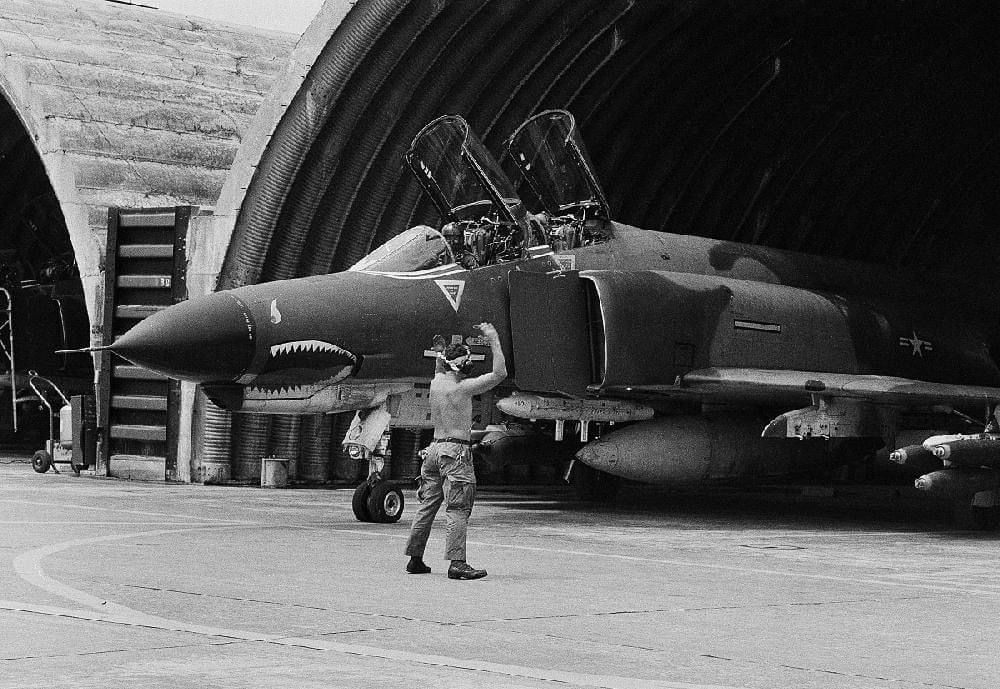
The nighttime missions demanded something different.
Crews often spent five hours circling over AC-130 gunships in complete darkness, waiting for enemy fire to illuminate the ground below. Combat changed his perspective on leadership as much as it sharpened his flying skills.
“When you’re stateside, you have airplanes to fly,” he says. “Then you go into a combat zone, and the flying sort of becomes secondary to what you’re really there to do. It helped me understand responsibility.” That lesson followed him to two of military aviation’s most elite schools.
Boisture graduated from the Air Force Fighter Weapons School at Nellis Air Force Base, Nevada, before attending the Navy Fighter Weapons School — better known as Top Gun — as an exchange officer. Few Air Force officers have completed both.
While the schools differed in culture, they shared the same purpose. “What they were doing was teaching you to teach,” Boisture says. “They brought you there, taught you to a level of excellence and then sent you back to your squadron. It was a multiplier effect.”
At Nellis, he found an unexpected confidence.
“For the first time in my life,” he says, “I thought, ‘Hey, I can really excel at these academics, contrary to my previous experience with the dean at the Academy.’” He also joined up with Slusher again. Both were congratulated on their course completion by Brig. Gen. Robin Olds, the legendary triple ace who was then the Academy’s commandant of cadets.
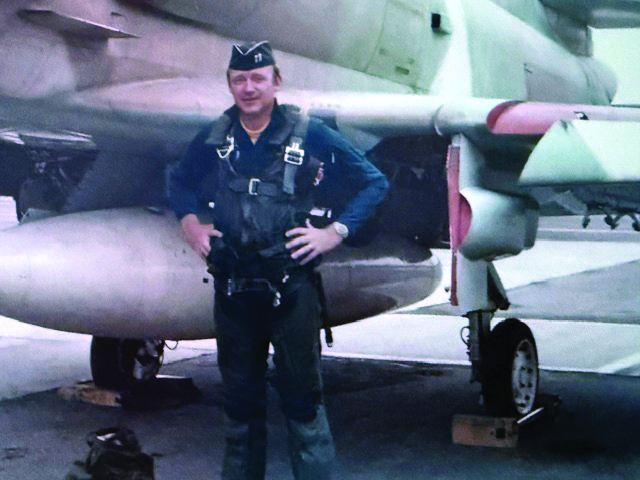
Preparing him to fly the Navy’s A-4 Skyhawk, Capt. Bill Franke, a former prisoner of war who had spent seven years in Hanoi, simply handed Boisture the flight manual on Day 1. “‘Get ready,’ he told me. ‘We’ll go fly tomorrow.’”
The next morning, Franke climbed onto the airplane’s intake, showed Boisture how to start the jet, climbed down and pointed toward another aircraft. “‘Watch me and do what I do,’” Boisture recalls Franke saying. The simplicity of the instruction surprised Boisture. “Coming from a more regimented command-and-control environment, that was different,” he says. “But it worked.” Later, Franke walked into Boisture’s office with another unexpected question. “‘Boisture, do you want to go to Top Gun?’”
Boisture’s answer came instantly. “Yes, sir!” he recalls, admitting he had no idea what to expect.
Top Gun proved equally memorable. Boisture trained alongside Navy legends, including Vietnam ace Commander Randy Cunningham, and learned under Franke’s mentorship. “Incredibly qualified people,” Boisture says. “I had an absolute ball working with them.”
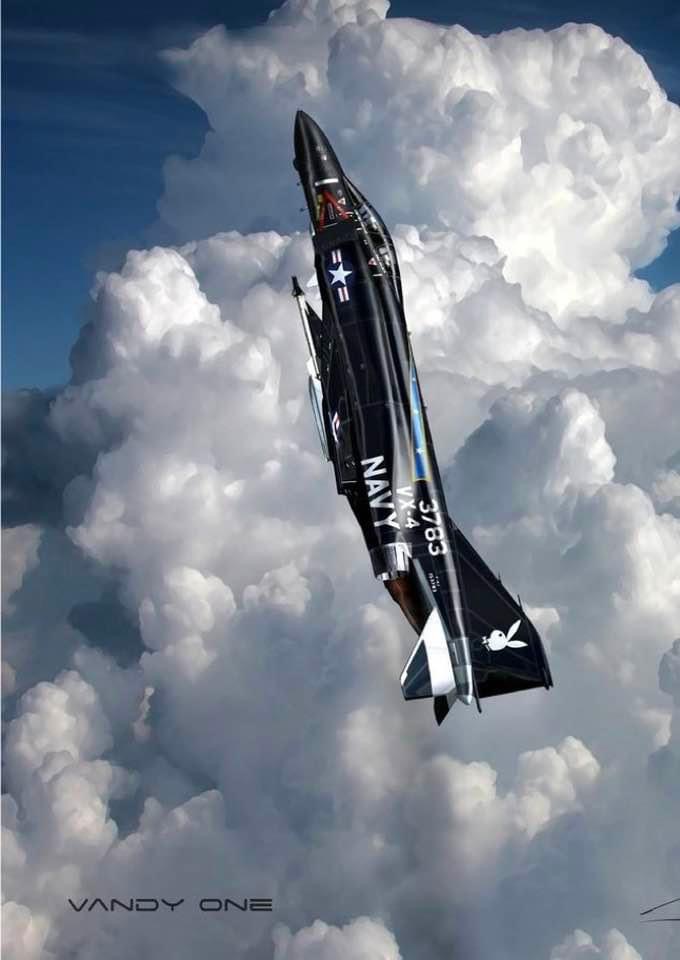
Top Gun offered unforgettable experiences, from flying a black F-4 Phantom that stood out among the Navy’s gray aircraft to learning from some of the finest fighter pilots in the world.
One memory still stands above the rest. Franke invited Boisture to accompany him aboard the USS Enterprise for lunch with the carrier’s admiral. Only afterward did another pilot explain why the trip mattered. “The skipper’s last carrier landing was the day before he got shot down in Vietnam,” the pilot told Boisture.
Eight years after becoming a prisoner of war, Franke trapped aboard the Enterprise as though he had never left. “It was his 1,000th trap,” Boisture recalls. “We caught the third wire, went upstairs for lunch in the admiral’s mess, and then launched back off the carrier. I still get emotional thinking about it.”
Dues paid
By 1978, Boisture had built the kind of résumé that suggested a full Air Force career. He had flown combat missions, graduated from both Fighter Weapons School and Top Gun, earned early promotion to major and was serving as aide to the commander of Tactical Air Command.
Then he walked away.
The decision surprised many who knew him, but Boisture says it reflected both changing circumstances and personal reflection.
The post-Vietnam military faced shrinking budgets, fewer flying opportunities and career paths increasingly leading toward staff assignments rather than cockpits. “I felt like I’d paid my dues,” he says. Leaving active duty did not mean leaving aviation. Instead, it marked the beginning of a second career that would help reshape the business aviation industry.
Boisture entered business aviation at a time when the industry was beginning to evolve from a niche market into an increasingly global enterprise. His first stop was Canadair, where he helped market the Challenger business jet. The transition from military operations to corporate aviation required a different skill set, but he quickly realized that many of the same leadership principles still applied.
“The airplanes were different, but people weren’t,” Boisture says. “You still had to build good teams, communicate clearly and earn people’s trust.”
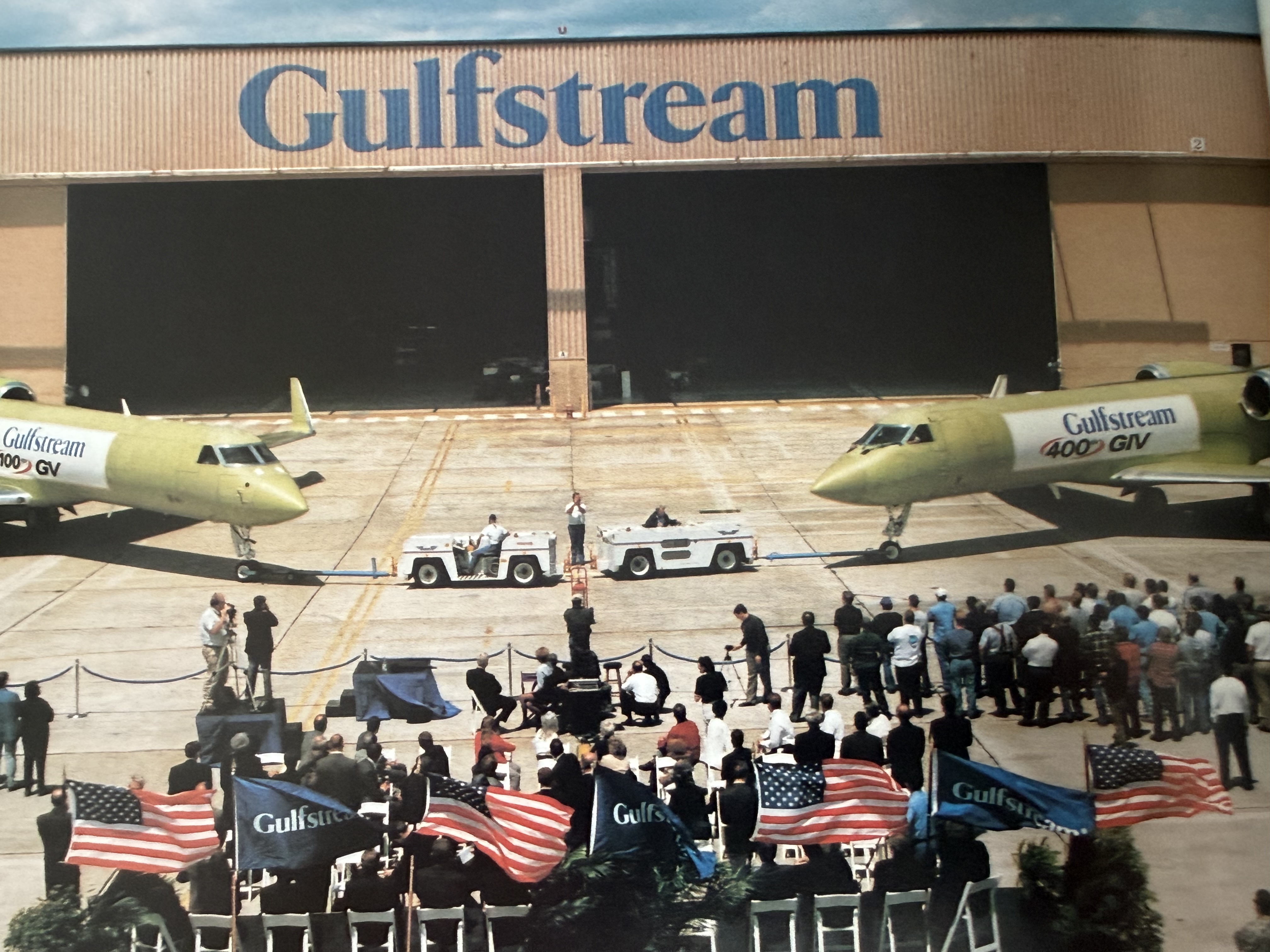
His career accelerated over the next three decades as he assumed senior leadership positions at several of the world’s premier aerospace companies, including SimuFlite, Gulfstream Aerospace, Net- Jets and Hawker Beechcraft. Along the way, he helped guide the organizations through periods of rapid growth, international expansion, product development and changing economic conditions, eventually serving as president and chief executive officer at multiple companies.
“I never really viewed leadership as something different in business than it was in the Air Force,” he says. “Your responsibility is still to create an environment where good people can succeed. If you take care of your people, they’ll take care of the mission.”
He also found that the fighter pilot’s discipline of continual learning never stopped serving him. Whether evaluating a new aircraft program, negotiating international partnerships or leading a company through industry challenges, Boisture approached each decision with the same deliberate preparation that once preceded combat missions.
People wanted honesty. They wanted competence. Most of all, they wanted to know their leader would make decisions grounded in integrity. For Boisture, the Honor Code never became simply a cadet memory — it was a way of life.
A different path?
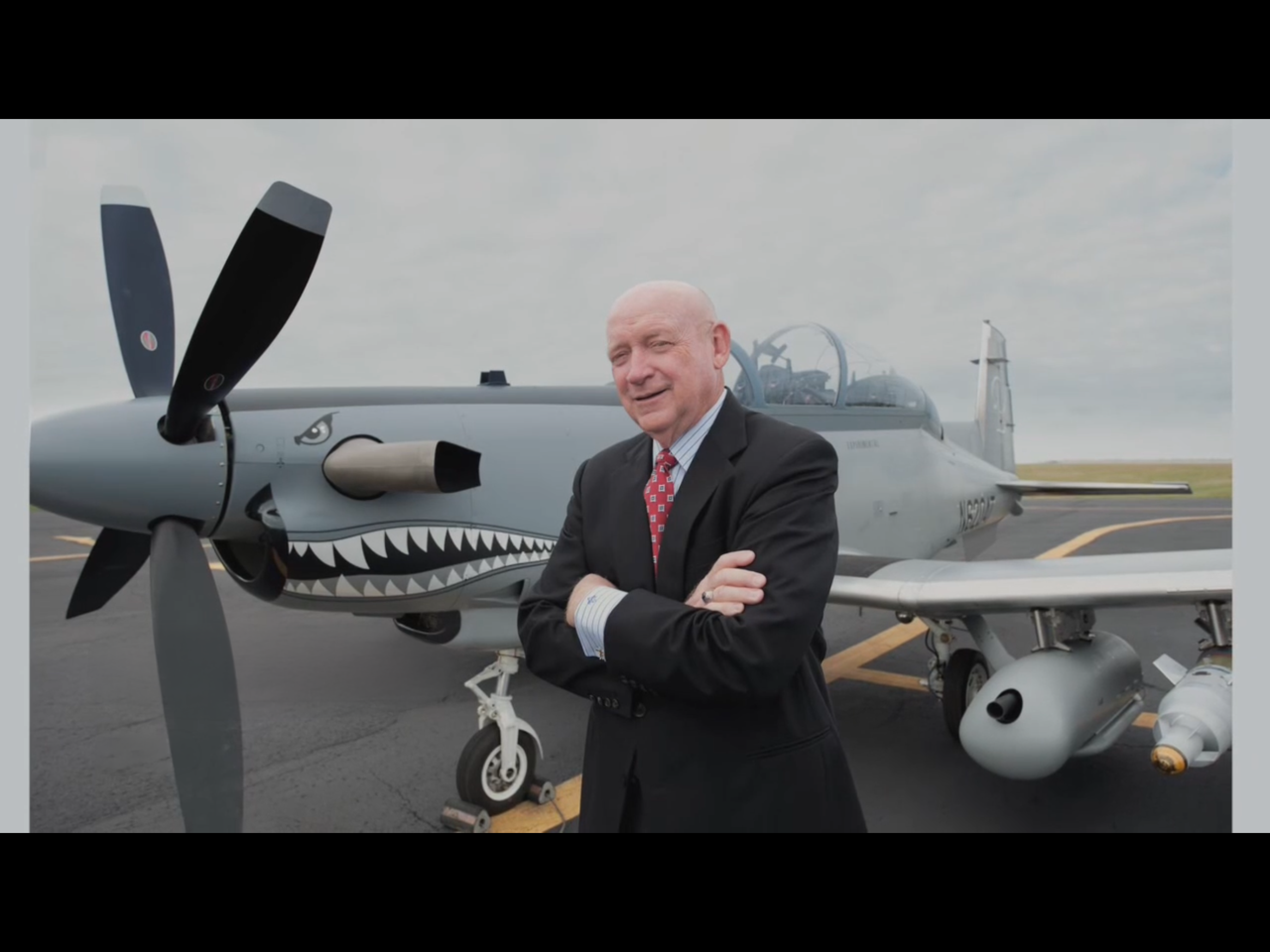
Over four decades, Boisture helped guide several of the world’s premier aerospace companies through periods of growth and change, earning a reputation for thoughtful leadership and strategic vision while helping advance business aviation around the globe.
Yet when he reflects on success, he rarely begins with airplanes or boardrooms. Instead, he talks about the people.
He remembers classmates who inspired him as a cadet, including fellow squadron commander Bob Barnes ’67, whose friendship extended to their mothers exchanging Christmas cards for decades. He remembers Bill Patterson ’67, whose humor eased the tension of combat deployments in Vietnam. And he smiles when talking about the four classmates who remain among his closest friends nearly 60 years after graduation. “It was that tight,” he says of the Class of 1967. “My best friends today are still those guys.”
He also remembers the officers who invested in him. Those relationships help explain why Boisture has remained connected to the Academy throughout his life. His service on the Falcon Foundation board carries particular meaning because he knows firsthand what the organization makes possible. Without its scholarship, he says, his life almost certainly would have taken a different path.
His commitment extends well beyond the Falcon Foundation. Through decades of service to the Association of Graduates, the Air Force Academy Foundation and other organizations, Boisture has worked to ensure future generations of cadets receive the same opportunities that shaped his own life.
Those efforts reflect a philosophy he has carried from Baton Rouge to Colorado Springs, from Vietnam to corporate boardrooms. Success, he believes, is mea sured less by personal achievement than by the success of those he has led.
That perspective makes the Distinguished Graduate Award especially meaningful. The award recognizes graduates whose lives have brought lasting credit upon the Academy and the nation, but Boisture is characteristically quick to shift attention away from himself. He speaks more readily about the teammates, mentors, family members and fellow graduates who influenced his journey than about the milestones listed on his resume.
I’ve been blessed,” he says. “I’ve had opportunities I never imagined. When I look back, it all started because someone gave me a chance.” It is a chance he has spent a lifetime honoring — and paying forward.
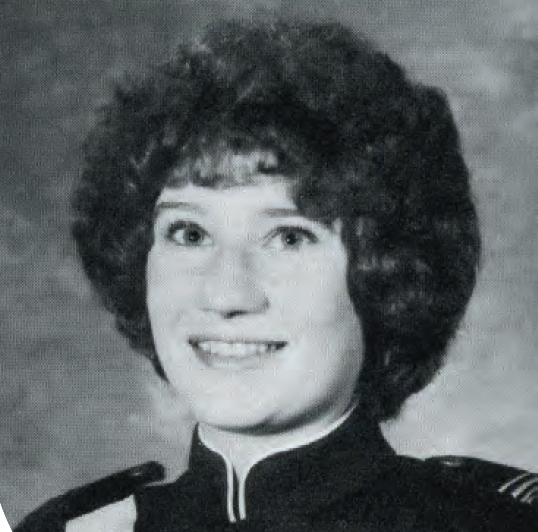
Lt. Gen. (Ret.) Susan Helms ’80
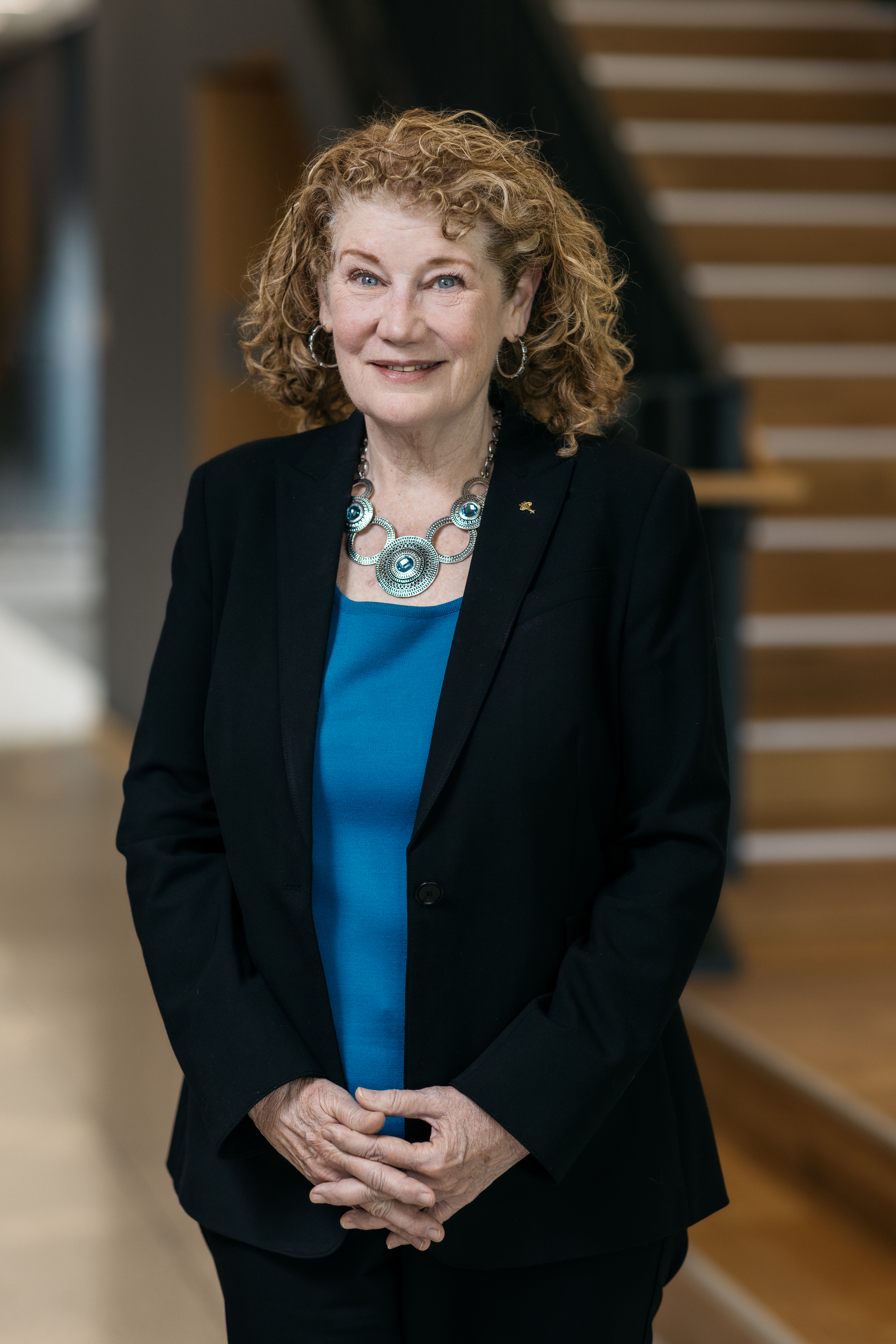
Lt. Gen. (Ret.) Susan Helms ’80 grew up immersed in the idea of service before self. “I knew from a very young age that I wanted to be in the Air Force, just like my dad,” she says. During eighth grade, while sitting at the dinner table with her father and his colleagues, Gen. Helms first heard about the U.S. Air Force Academy.
Although he was not an Academy graduate himself, her father deeply admired those who were. He joined the Air Force in 1956 and spent his career as a pilot. “He had put Academy grads on a pedestal,” recalls Gen. Helms, the oldest of four daughters. “He thought going to the Air Force Academy was just about the best possible experience anybody could have.”
The possibility of attending, however, seemed closed to her until Congress voted in 1975, followed by President Gerald Ford’s signature, to allow women to attend the service academies. It was her mother who informed Gen. Helms of the change in law. “Are you still interested?” her mother asked. The answer never wavered. “Well, yes, of course I am,” Gen. Helms responded.
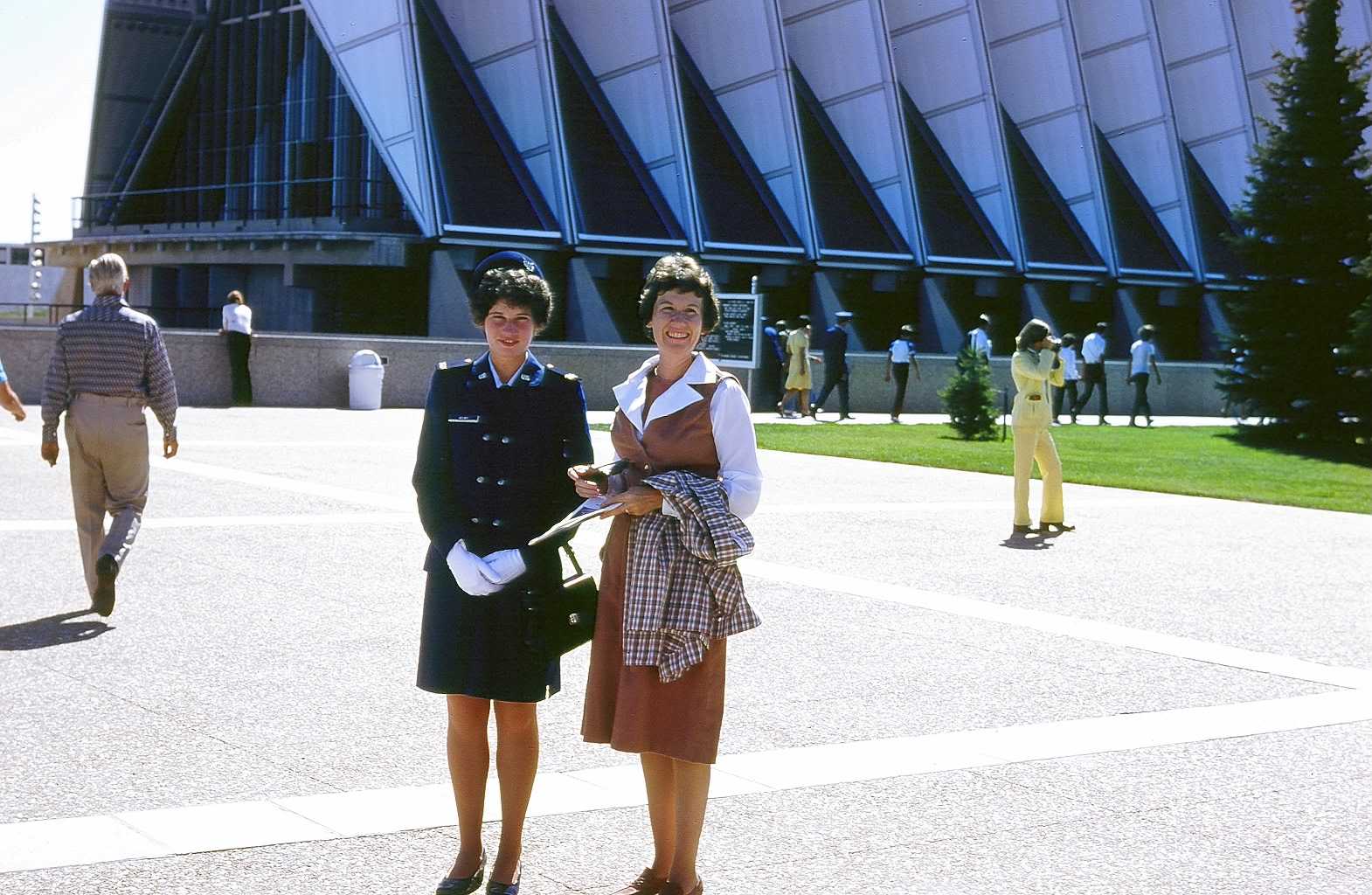
Her parents immediately became partners in the effort. Her father put her on a physical fitness program. Together, they worked through the nomination process. Ultimately, U.S. Sen. Mark Hatfield of Oregon nominated her, and Gen. Helms earned an appointment to the Academy’s historic first class to admit women.
“People, of course, remember the negatives,” she says of being a member of the first coeducational class. “But if I think about it hard, I’m willing to place money that there were way more positively supportive people around me than negative.”
The North Star
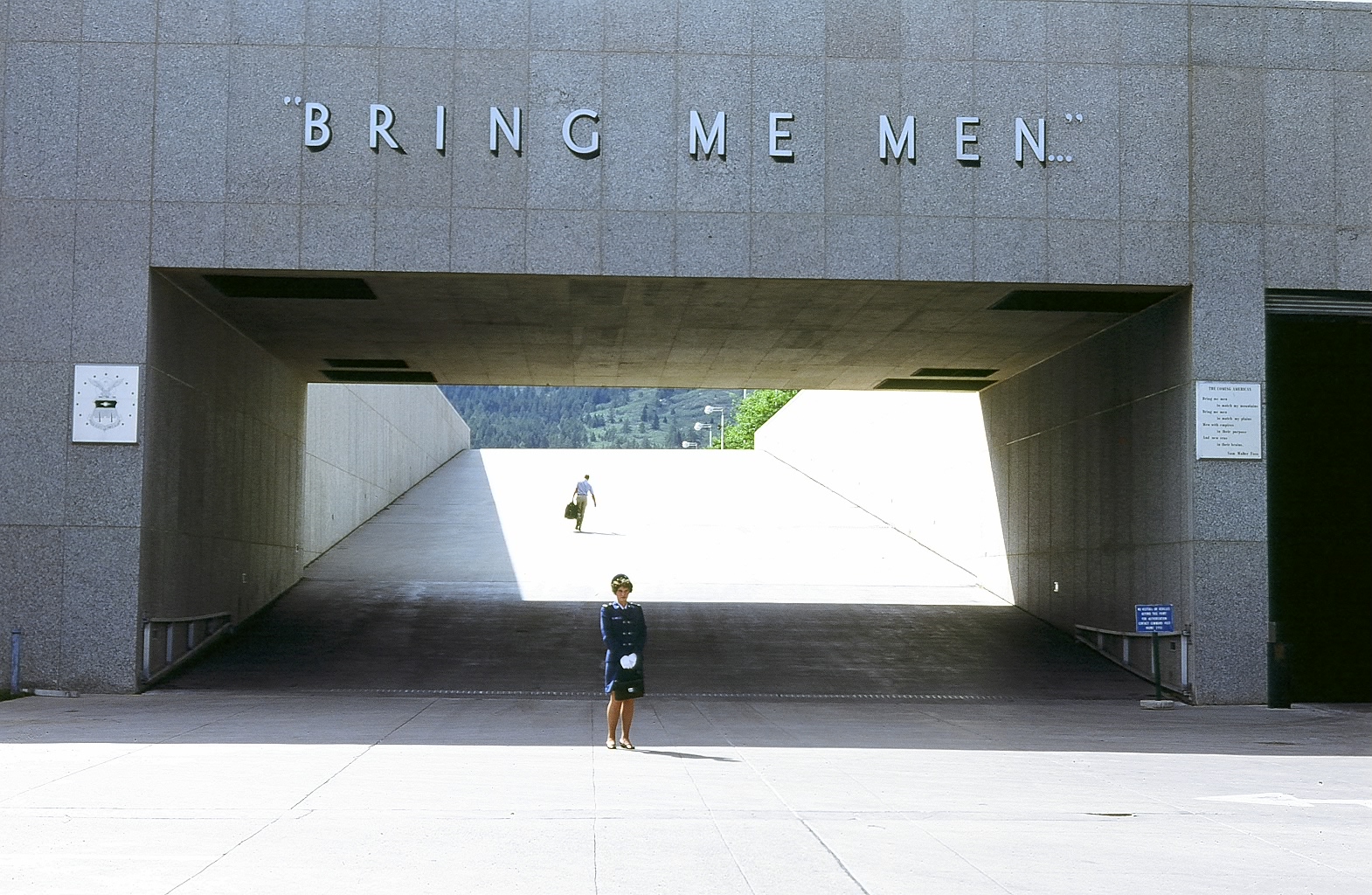
Gen. Helms arrived in Colorado Springs in 1976 for an education. She says leadership was not what brought her to the Academy. “At the time, I didn’t think of myself as a leader,” she explains. “I went to the Academy for the education part of it. I wanted to become an engineer, and I wanted to have an Air Force career.”
That changed almost immediately.
Basic cadet training exposed her to something she had not fully appreciated from the outside: Leadership was woven into every aspect of Academy life. “It’s cadets leading cadets,” she says. “You learn very quickly that it’s not just about academics, athletics and the Honor Code. It was all part and parcel of what it meant to become an officer.” Watching fellow cadets take responsibility for others transformed her understanding of officership.
Looking back, she sees the Academy as the place where her leadership journey truly began. The institution also gave her something even more enduring than leadership techniques — it gave her a moral compass. “The Honor Code and integrity really were things that I fell back on during tough times,” Gen. Helms says. “If you could fall back on your character and integrity, that was the North Star. That actually was something you could lean on throughout your entire career, and the Academy instilled that at a very early age.”
By the time Gen. Helms graduated in 1980 with a degree in aeronautical engineering, she was eager to leave school behind and begin her Air Force career. “I remember thinking I was done with being in school,” she says. “I was ready to really start giving back to the Air Force with my training.”
At Eglin Air Force Base, Florida, she began her career as a test engineer, working F-15 and F-16 weapon-separation programs at the heart of aircraft weaponsystem development. The experience validated everything she had hoped military service would be. “The Air Force was everything I was expecting it to be,” Gen. Helms says. “It was a great way of life.”
Higher and Higher
Gen. Helms’ career path quickly became anything but conventional. The Air Force sent her to Stanford University, where she earned a master’s degree in aeronautics and astronautics. She returned to the Academy as an instructor and then attended Air Force Test Pilot School as a flight test engineer.
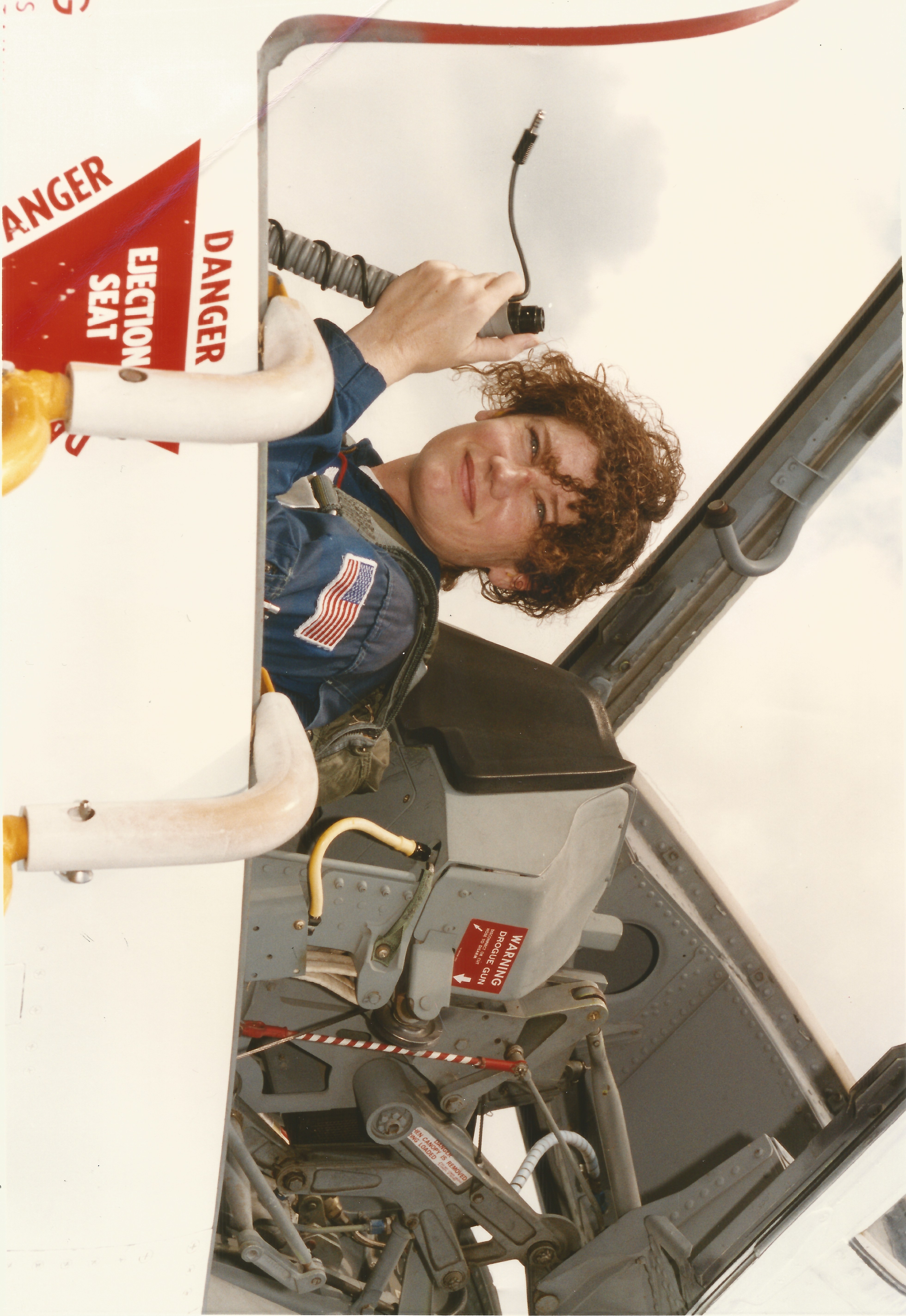
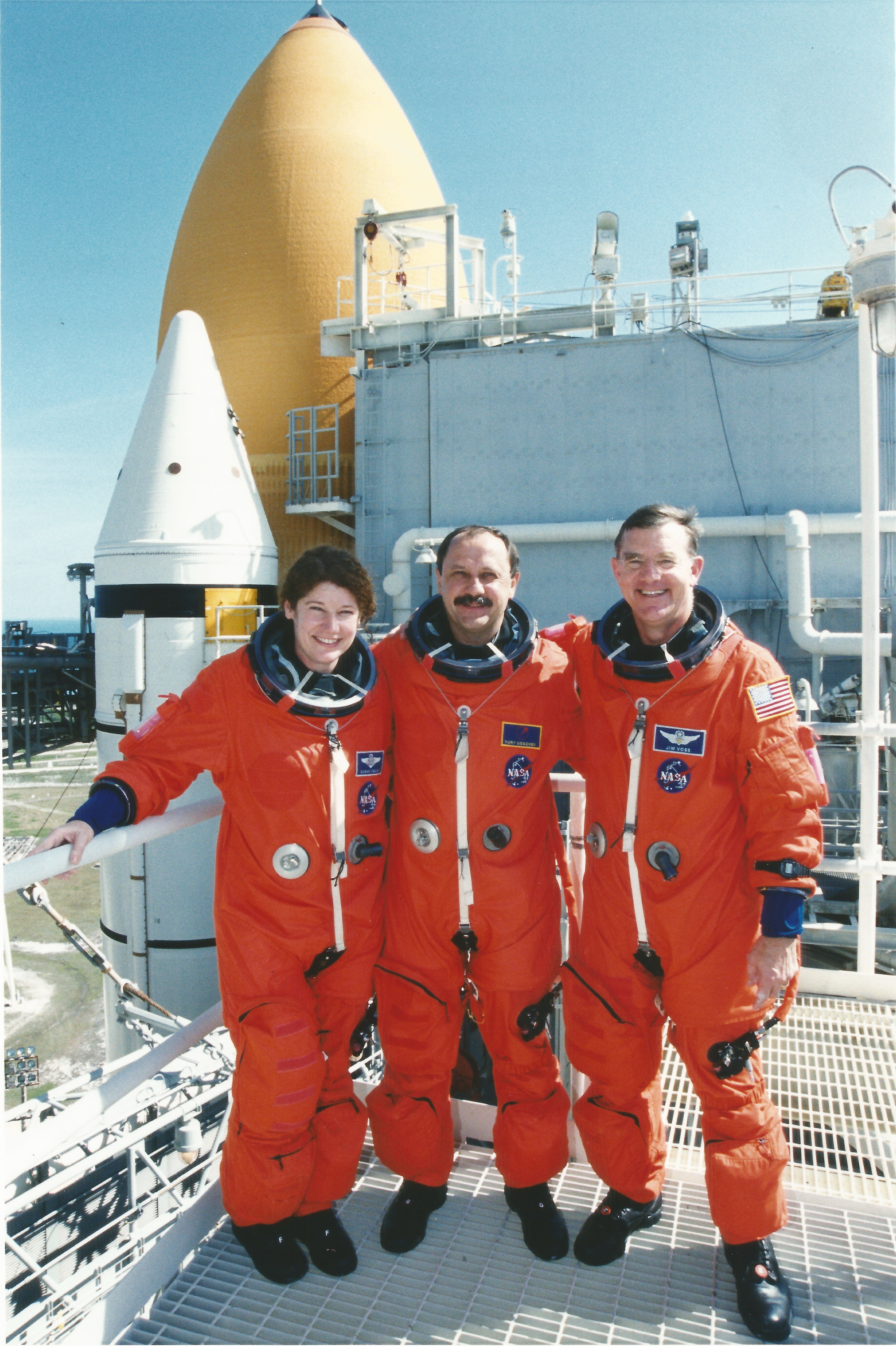
After graduation, she accepted an exchange assignment with the Royal Canadian Air Force, flying flight test missions in CF-18s and CF-5s. Then she took a chance. “I thought it would be kind of cool to apply for the astronaut program,” she says. NASA agreed and, in 1990, Gen. Helms was selected as part of Group 13. Group 13 included seven Air Force astronauts, a Navy astronaut, three Army astronauts, a Marine and 11 civilians, several of whom were former military officers.
“We got there in the golden age of the Space Shuttle — effectively 1990 to 2000ish,” she says. “And by Golden Age, I mean the Space Shuttle was flying a lot. … I’m going to say, probably six to eight flights a year, and every flight carried five to seven astronauts. Given that the astronaut corps had about 100 people, the spaceflight opportunities were fairly abundant.”
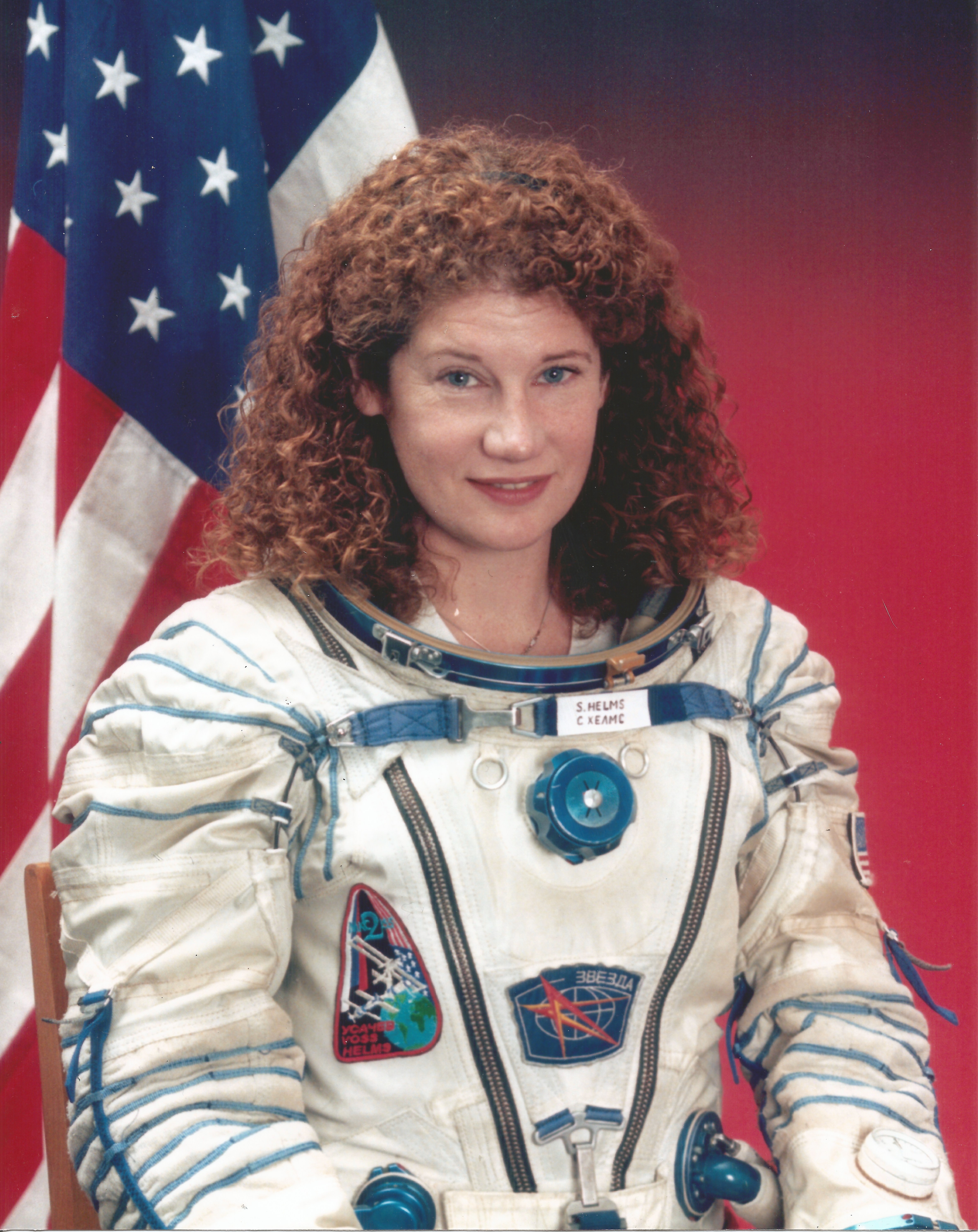
In January 1993, she launched aboard Space Shuttle Endeavour, becoming the first U.S. military woman to fly in space. Four more missions followed over the next eight years. She deployed satellites, conducted scientific research, supported development of the International Space Station and helped advance NASA’s understanding of how humans could live and work in space for extended periods.
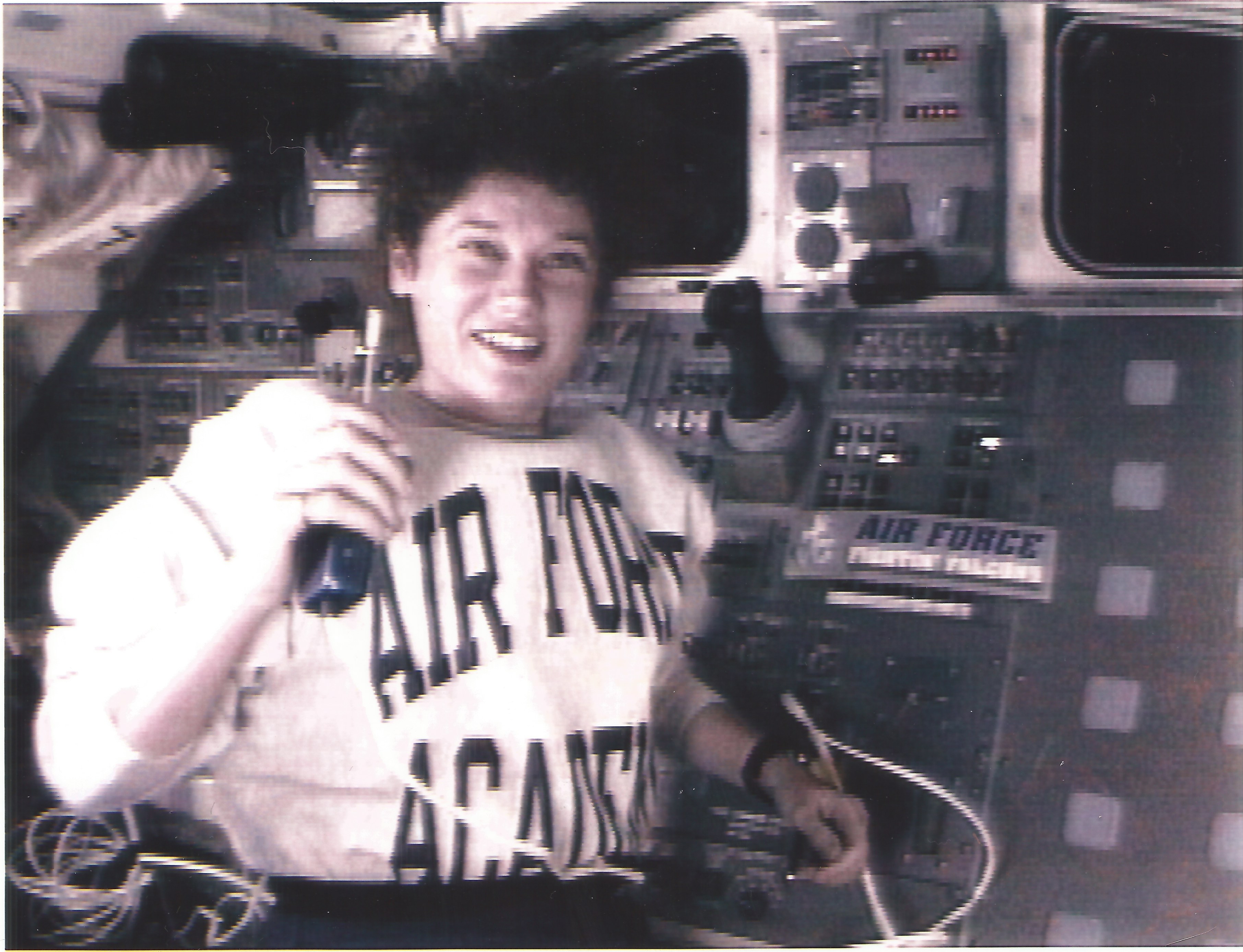
Yet none of those missions compared to Expedition 2. Unlike shuttle flights, which generally lasted one to two weeks, Expedition 2 kept Gen. Helms in orbit for nearly six months. “The space station training program involved going to and from Star City outside of Moscow, Russia, and learning the Russian language, working with the Russian instructors,” she says. “We have NASA instructors in Houston; they have Russian instructors doing exactly the same thing in Star City.
I got assigned to a space station crew with another American, but also with a Russian cosmonaut, and had a lot of opportunity to be embedded in the Russian culture of the day. That was really interesting because it was pretty much right after the fall of the Soviet Union, and we were able to observe up close how Russia’s space program was adapting to a new political paradigm.” The space station mission felt entirely unlike her shuttle flights, she says.
“There was something psychologically different about that experience,” she says. “Living on a space outpost felt like you were living in a different ZIP code than Earth.” The experience reinforced her belief that the mission transcends language barriers and cultural differences. “If you’re operators, your language is the same,” she says. “The cosmonauts and the astronauts never really had any issues related to international incidents. We always just worried about making the mission happen together.”
Living in orbit for months also changed the way she saw Earth itself. Astronauts often speak of the “overview effect,” the realization that human-made delineations disappear when viewed from space. Gen. Helms experienced that firsthand. “You can’t see the borders of countries,” she says. “What you see is water. You see weather. You see land.” What struck her most was the thinness of Earth’s atmosphere. “It looks like the skin on an apple,” she says. “Much more fragile than I think one would expect.”
The experience strengthened her appreciation for the planet and helped shape her belief that more people should experience spaceflight. “That’s why I’m a big advocate of space tourism,” she says. “The more people that get up there and get a chance to see with their own two eyes what Earth looks like from that vantage point, the more they can appreciate Earth and its potential fragility.”
Returning Home
Despite her NASA accomplishments, Gen. Helms never lost sight of where she ultimately belonged. “The Air Force was my identity,” she says. “For some people, becoming an astronaut was their identity. For me, the Air Force was my identity.”
By August 2001, Gen. Helms had spent 211 days in space and completed a career that could easily have served as a professional capstone. Then came Sept. 11.
“When I went to NASA, I knew that ultimately I would ask for an assignment to return back to the Air Force,” she says. “The question was when, not if.” She began making calls and asking where she could best serve. The answer surprised her only slightly. “They said, ‘Come back to military space operations,’” she recalls. “‘Unlike most people, you’ve actually been a satellite.’”
Returning after 12 years at NASA was not easy. The Air Force had changed, and Gen. Helms was reentering large-scale leadership roles after spending years in specialized astronaut assignments. But the Long Blue Line was waiting. “Classmates came out of the woodwork and said, ‘Hey, Susan, if you need help, we’re here to help you reintegrate back into the Air Force,’” she says.
The support reminded her that Academy connections endure long after graduation. One of her greatest leadership challenges came during that transition. For much of her career, she had worked as an engineer, flight test engineer and astronaut, positions that emphasized technical expertise more than organizational leadership. “I was not a supervisor for a number of years,” she says. “So I really had a delayed opportunity to exercise leadership.”
That changed when she returned as a colonel to Peterson Air Force Base, Colorado, and assumed responsibility for leading military space operators. Suddenly, she had large organizations, significant responsibilities and people depending on her decisions. “The Academy experience kind of comes back right away,” she says. “It’s like riding a bicycle; you can fall back on the things you learn here at the Air Force Academy, in this leadership lab, and go, ‘OK, I know this. I have the tools in my toolbox to address the situation, because I need to step up and be the leader that the people around me require.’”
In the following years, she commanded the 45th Space Wing at Patrick Air Force Base, Florida, before assuming command of 14th Air Force and Joint Functional Component Command for Space. In those positions, she led more than 20,500 airmen responsible for missile warning, satellite operations, launch activities, space superiority and combat support around the globe.
Her leadership philosophy remained simple. “Stay focused on your mission. Stay focused on your people. Stay focused on your integrity and character,” she says. Those principles, she believes, remain timeless regardless of technological changes.
'Good enough for me'
Recognition has never been Gen. Helms’ motivation. Ask what accomplishment makes her proudest, and she does not mention spaceflight, command or promotion. Instead, she talks about people.
“Every once in a while, I get a note or an email from someone I worked with,” she says. “If I’ve made an impact in someone’s life, left an impression that was positive, gave them a tidbit that helps them in their leadership journey, left a breadcrumb that was an inspiration to them, that’s good enough for me.”
That perspective helps explain why being named a Distinguished Graduate feels especially meaningful. “I know the shoes of the people I’m stepping in,” Gen. Helms says. “I’ve been watching Distinguished Graduates for many, many years, and I’ve been humbled by the things that they have done.”
When asked what it means to be part of the Long Blue Line, she pauses for a moment. “My life, when I think about the things that make me happy, it is doing works of service,” she says. “Being a member of the Long Blue Line is ultimately the epitome of a work of service.”
Fifty years after arriving as part of the first class to admit women, Gen. Helms still views her life through the lens of service. It is a sentiment that traces back to the dinner table where she first heard about the Academy and to the father who convinced her that service in the Air Force was a calling worth pursuing.
Gen. Helms has come closer than most to reaching the stars but, since graduating from the Academy in 1980, the North Star has remained her beacon — steering her toward a lifetime of character, integrity and service. The lifelong impact of the Academy experience awaits future USAFA graduates, she says. “Thanks to the Long Blue Line, they’re going to be even better at this than we were.”
Gen. (Ret.) Tod Wolters ’82
Gen. (Ret.) Tod Wolters ’82 had barely learned to walk when he decided he would one day fly. His earliest memories are not of airplanes themselves, but of the man climbing out of them.
At 4 years old, he watched his father, a U.S. Air Force fighter pilot, return home from missions in his flight suit, eager to recount the day’s sortie. “Just the big smile on his face with a flight suit coming home, talking about his day at dinnertime, and just being so in love with what he was doing,” Gen. Wolters recalls. “It was infectious.”
His father flew the F-102 Delta Dagger before transitioning to the F-4 Phantom II. All four Wolters children eventually earned commissions. His older brother, Lt. Col. (Ret.) Timothy Wolters ’78, followed their father into fighter aviation, flying the F-15 Eagle. Serving the nation wasn’t viewed as extraordinary. It was simply what the family did.
Their father grew up on a soybean farm in a small Kansas town during the Great Depression and understood that military service opened doors that otherwise might never have existed. “Going into the Air Force was a big road to success for those young farm boys,” Gen. Wolters says. Growing up as the son of a fighter pilot also meant growing up on the move. The family lived on both coasts, spent time in West Germany and Washington, D.C., and adapted to the rhythm familiar to generations of military families. Every few years brought a new school, a new neighborhood and new friends.
One move left a particularly lasting impression. During a cross-country drive through Colorado Springs in the mid-1960s, the family stopped to look at the U.S. Air Force Academy. The Cadet Chapel was still under construction when his father pulled over. “I remember my dad telling me, ‘This is where you’re going to go to college,’” Gen. Wolters says. “I said, ‘OK, sounds good to me, Dad.’”
Make your move
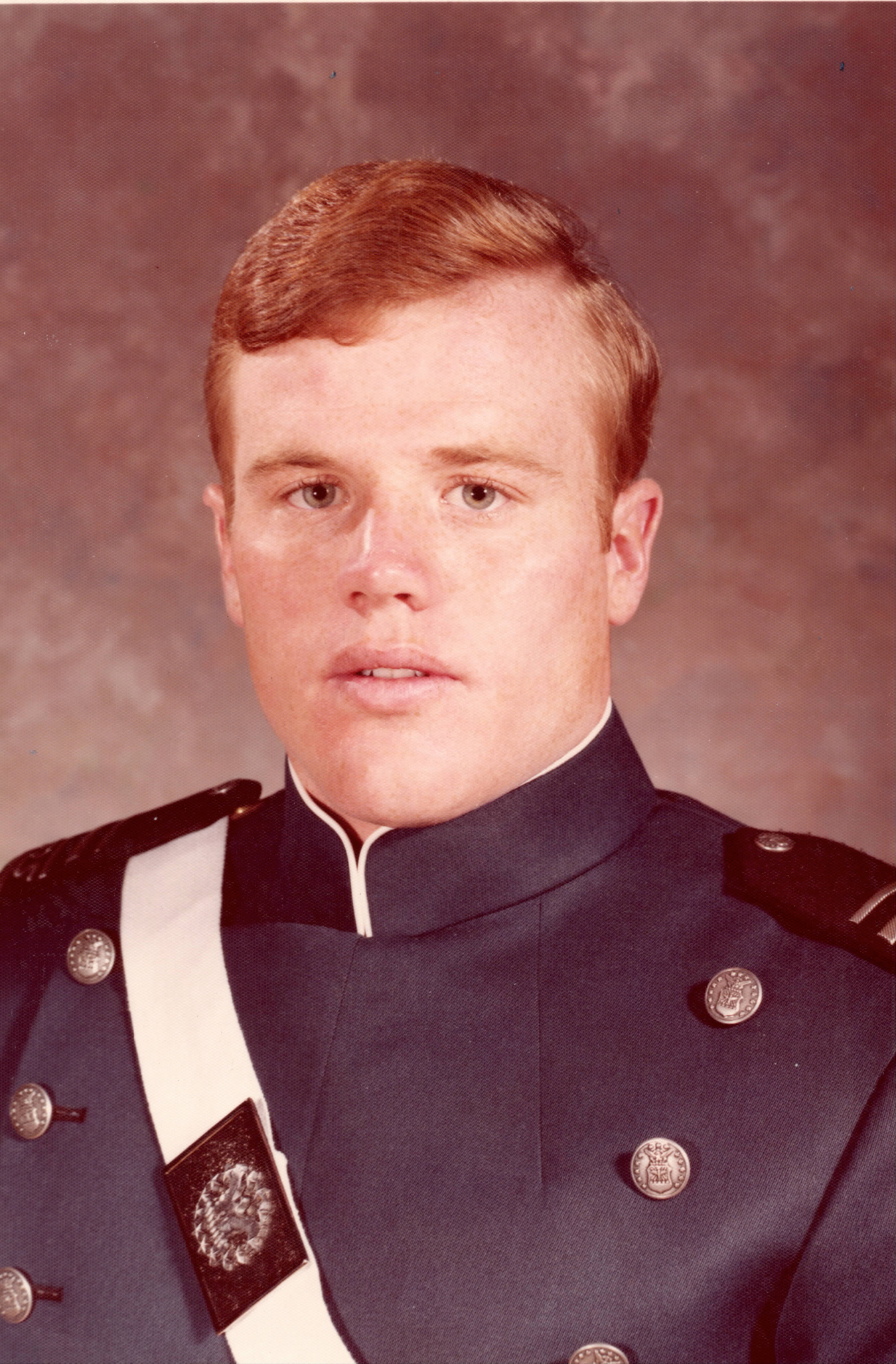
By the time Gen. Wolters finished high school, there was little doubt about his next move. “If not the Air Force Academy,” he says, “it was going to be West Point or it was going to be Annapolis. But there was no doubt in my mind that the Air Force Academy was the place to go.”
Three weeks after his older brother graduated with the Class of 1978, Gen. Wolters reported for inprocessing as a member of the Class of 1982. The timing proved invaluable. “My brother was a great coach,” he says. “All of the tactics, techniques and procedures of getting through as a cadet, my brother passed on to me.”
The advice wasn’t complicated: Follow the rules, stay out of trouble and take care of the people around you. One piece of guidance, however, stayed with him for the next four decades. “One of the things that my brother told me was, ‘The best part of this place is the other people,’” Gen. Wolters says.
“He was right.” Like many new cadets, he juggled demanding academics, military training and Division I football while trying to find enough hours to study and sleep. He readily admits academics challenged him the most. “I was never a great student,” he says. What carried him through wasn’t talent alone, but the willingness of classmates and instructors to help him succeed. “I had tremendous classmates that, if you were struggling, they could give you some extra coaching.”
Faculty members, he says, were equally invested. “All of the academic instructors would bend over backwards to make sure they could keep you up to speed. They were invested in you 24/7,” he says. Gen. Wolters found his niche on the football field.
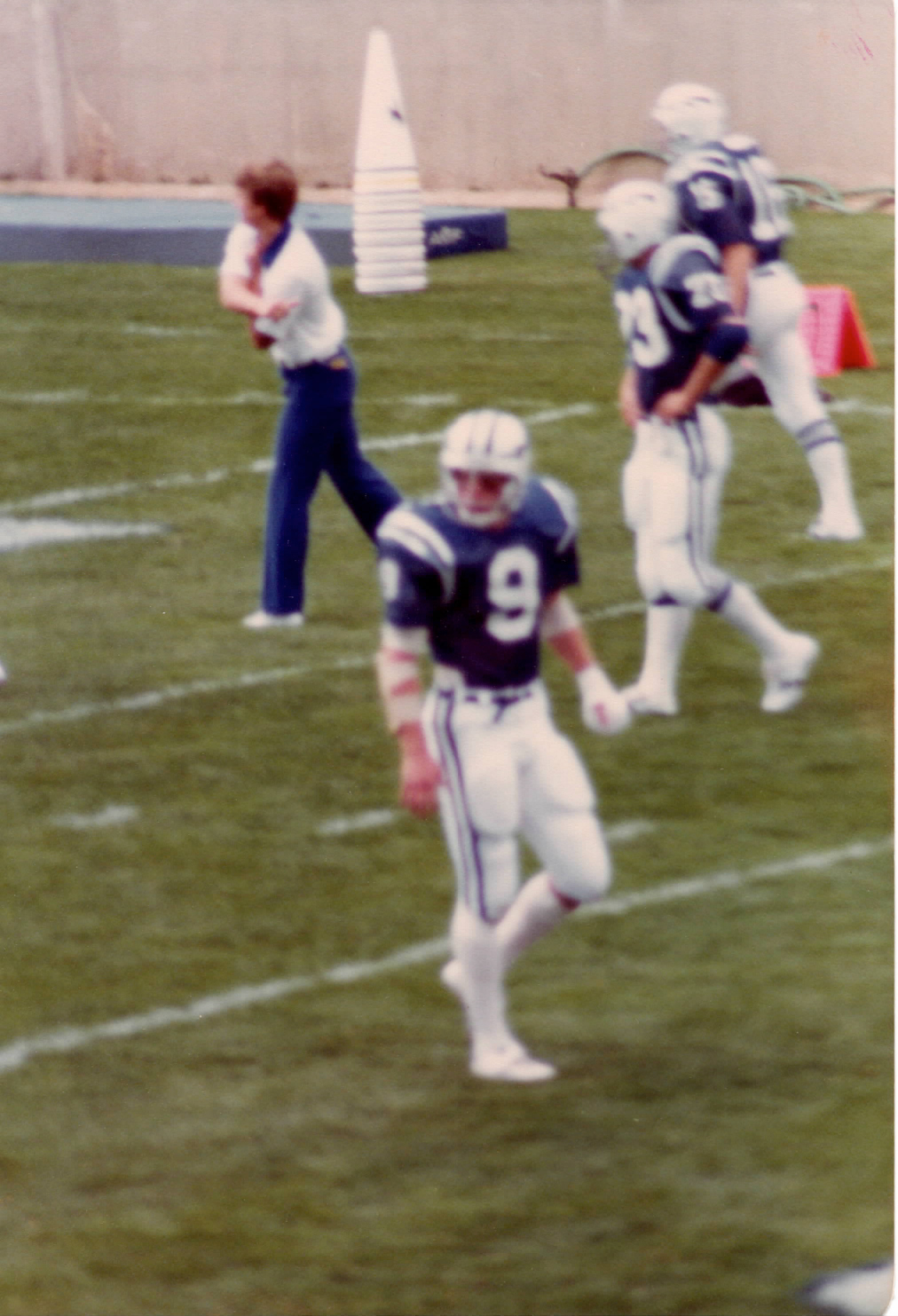
Recruited to play for the Falcons, he spent four years in the program, playing strong safety for three seasons and halfback his senior year. Air Force teams often faced challenges other Division I schools didn’t, leaving little room for mistakes.
Preparation and precision became the equalizers. “We knew if we were going to beat somebody — because they were typically bigger than we were, quicker than we were and faster than we were — we had to find a way to achieve victory. That just came through precision and timing and hard, hard, hard work.”
The discipline that made Air Force football competitive against larger opponents would later define his approach to flying and leadership.
From USAFA to Seceur
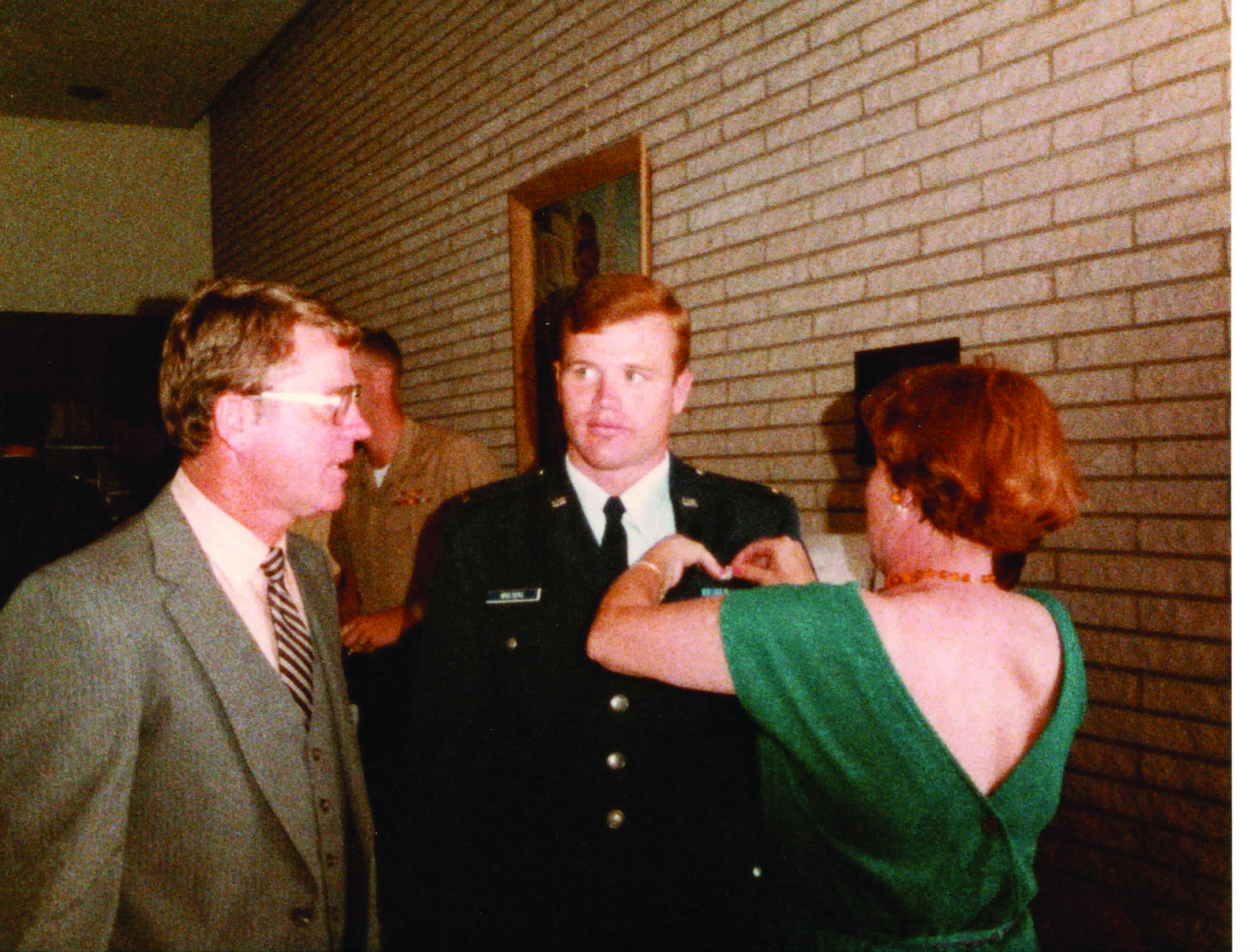
After graduating, Gen. Wolters found that the discipline he had honed balancing academics, athletics and military training at the Academy allowed him to thrive in the cockpit. He entered pilot training and launched what would become more than four decades of military service.
Along the way he logged more than 5,000 flight hours — most of them in the F-15C Eagle — earned top honors in major training programs and eventually commanded at every level of the Air Force before serving as commander of U.S. European Command and NATO Supreme Allied Commander Europe.
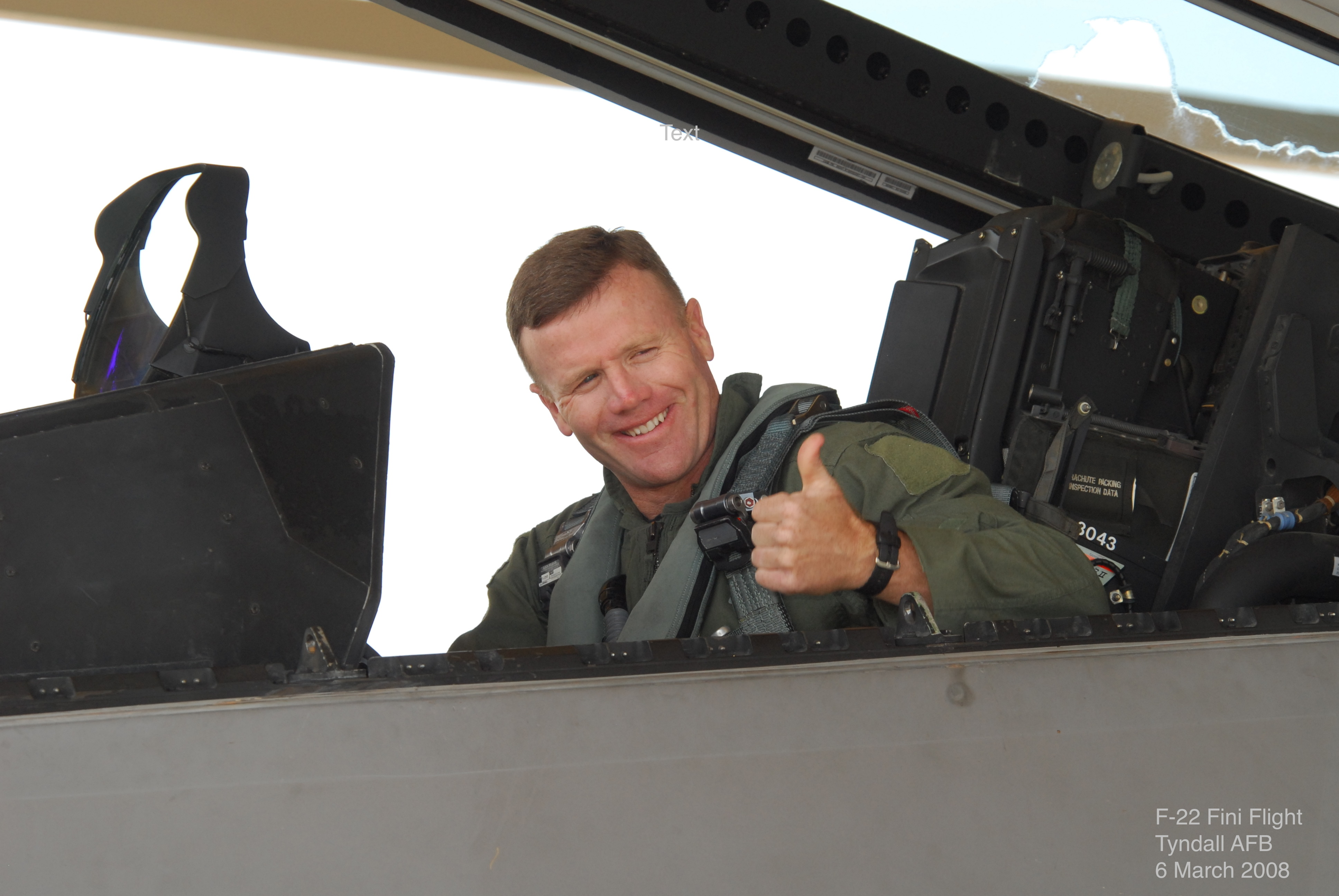
Over the course of his career, Gen. Wolters watched American airpower evolve dramatically. After flying the F-15 for thousands of hours, he eventually had the opportunity to pilot the Air Force’s newest fighter, the F-22 Raptor, while serving as wing commander at Tyndall Air Force Base, Florida.
He admits he climbed into the cockpit with a healthy dose of confidence. “I was pretty convinced,” he says, “that if I had four or five F-15Cs, they could certainly gang up on one or two F-22s and achieve success.”
That confidence disappeared almost immediately. “When I flew the F-22 for the first time, I got airborne at about 15,000 feet, and within 15 seconds was chasing a tanker to get some gas,” he recalls. “I just marveled at the range that I could see and the speed and the quickness.” Searching for a way to explain the aircraft’s dominance, he settled on this analogy: “It was kind of like you and I trying to jump into a boxing ring, and at some point Muhammad Ali, who was invisible, was going to jump into the ring. It just didn’t work.”
More than the airplane itself, he says, the experience reinforced his appreciation for American innovation and the airmen who make it possible. “I was overwhelmed with what our United States Air Force and our Department of Defense could produce,” he says. “It was a machine that I knew was going to render the enemy in a bad place for a very long time.”
'The language of champions'
Technology changed throughout Gen. Wolters’ career. His leadership philosophy did not. Whether he was heading up a fighter squadron or commanding allied forces across Europe, he judged success by the same two questions. “Did you treat everybody that you came in contact with with dignity and respect, and were you willing to ensure that good order and discipline was demonstrated throughout your organization?”
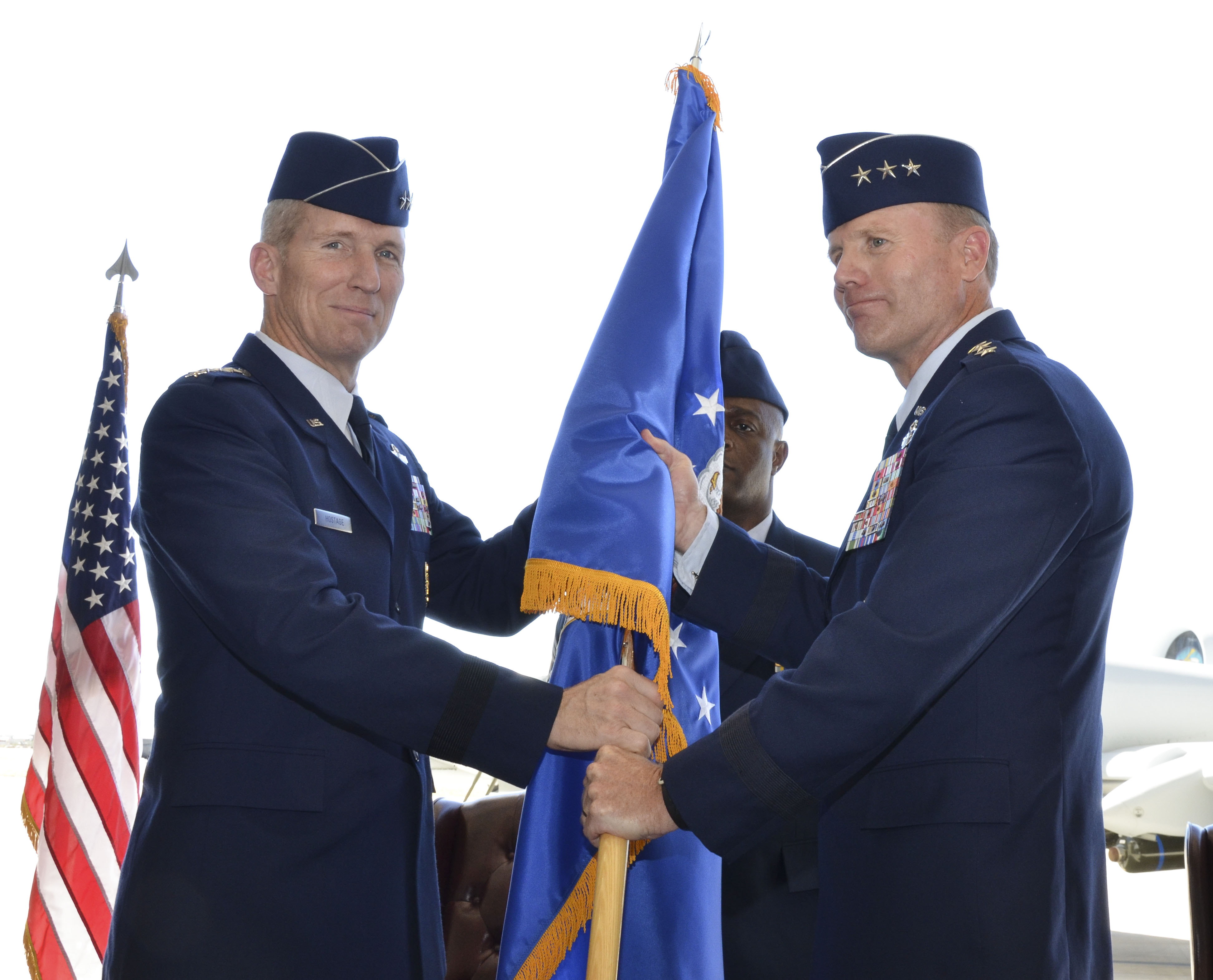
That philosophy carried him from squadron command to group command, wing command, a numbered Air Force, a major command and ultimately one of the most consequential operational assignments on the planet.
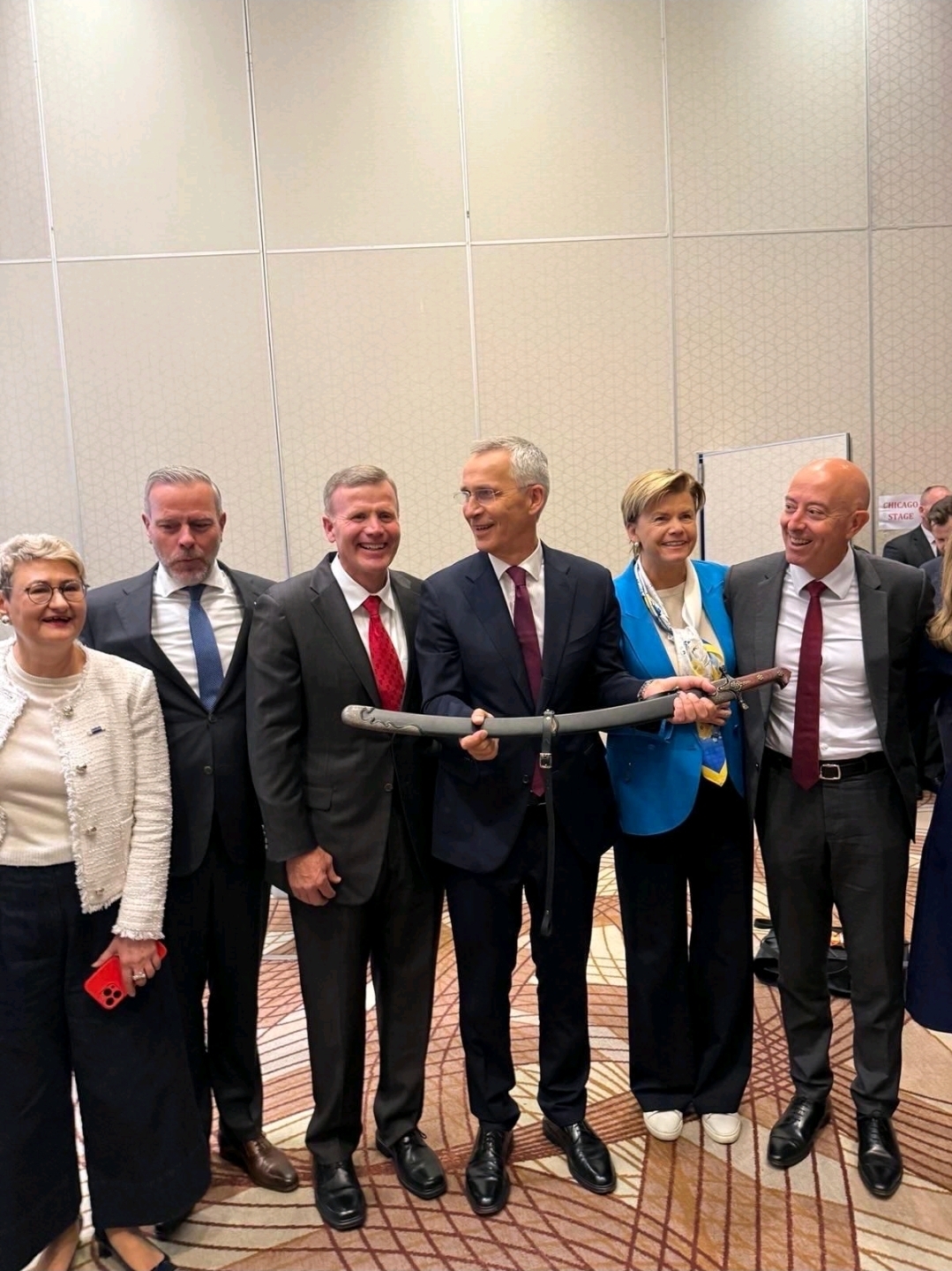
As NATO’s Supreme Allied Commander Europe, Gen. Wolters led more than 1 million soldiers, sailors, airmen, Marines, guardians and civilian personnel representing 32 NATO nations. Yet despite the scale, he insists leadership never became more complicated. “The language of champions,” he says, was something he first learned at the Academy. “When something bad happened, take the blame,” he says. “If anything good ever happened, pass the credit to others.”
That philosophy would soon be tested on one of the largest stages imaginable. Six months before his retirement, Russia launched its full-scale invasion of Ukraine. The invasion transformed years of planning into immediate action. “All of the hard work that had taken place up until Russia invaded Ukraine was going to be tested,” Gen. Wolters says.
The mission was clear: Defend every inch of NATO territory, reassure allies along the alliance’s eastern flank and continue supporting Ukraine — all while preventing the conflict from escalating into a broader war. “We were doing everything we could to make sure that we could figure out a way to keep us out of World War III,” he says.
'A tough road'
Success depended not only on military capability but on trust among allied nations. For Gen. Wolters, one lesson proved especially important. “You cannot overcommunicate enough,” he says. “If you think that you’ve communicated enough, odds are you’re wrong.”
Leading the alliance required constant communication — not simply issuing guidance, but ensuring every nation understood the mission, its role and the broader strategic objective. It was leadership on a global scale yet rooted in the same principles of teamwork and mutual trust he had first learned in Cadet Squadron 29.
Still, strategy was never the hardest part of command, he says. People were. Ask Gen. Wolters about the most consequential decision of his career and he answers without hesitation. “Without a doubt, committing forces is accomplished perfectly, there is a high potential for loss of life.” No amount of experience, he says, makes those decisions easier. “That’s a tough road to travel,” he explains. “But it’s what you get paid to do.”
Amid decades of command and leading through some of the highest-stakes situations imaginable, Gen. Wolters says he has remarkably few regrets. He credits that to his teammates. “I was lucky enough to be surrounded by people that were willing to tell me the truth,” he says. “I had feedback from my colleagues, my peers, my subordinates, my bosses.”
He learned early that good leaders don’t have all the answers. They listen. “You show up and you’ve got 30 or 40 people around you who are really quick, really smart, really fast,” he says of arriving at the Academy. “If you’re willing to listen to what they have to say, you can get a heck of a lot smarter.”
‘QUICKER, SMARTER AND FASTER’
Today, Gen. Wolters spends much of his time mentoring Air Force officers — from wing commanders responsible for thousands of airmen to young pilots just beginning. Witnessing them surpass his own accomplishments has become one of the most rewarding parts of his career.
“They’re quicker, smarter and faster than I was at their time in service,” he says, “and that’s something that I take great pride in.” One former aide, now a wing commander, regularly earns unsolicited praise from members of the local community and the airmen under his command. Those compliments mean more to Gen. Wolters than any award or promotion. “I can guarantee you his span of influence is far greater and far more productive than mine was when I served as a wing commander,” he says. “That’s really, really rewarding.”
Gen. Wolters sees the same promise in the young aviators serving alongside his son, a T-38 instructor pilot. “I get to see the skip in their step and the intellect that they portray,” he says. “They’re on a good path to doing great things in the Air Force.” Teamwork and mentorship are recurring themes: Whether speaking about his parents, football teammates, instructors, commanders, NATO allies or today’s young officers, Gen. Wolters consistently measures success not by personal accomplishment but by investing in others.
That perspective makes receiving the Distinguished Graduate Award especially meaningful. “It feels great to be a DG,” he says. “Anything that associates my name with the Air Force Academy is a plus for me.”
Almost immediately, though, he redirects the credit. “But it’s not me,” he says. “It’s all those friends, all my football teammates, the coaches, the mentors, the instructors. Those folks were abundant everywhere at the Air Force Academy and abundant everywhere for the duration of my career. Anything that I’ve done that’s been close to successful, it’s them. It’s not me.”
For Gen. Wolters, that is the true strength of the Long Blue Line. “It means everything,” he says. “It’s part of a production plant that throws a whole bunch of people out there on planet Earth that are doing everything within their power to generate greater peace across the globe in whatever function they’re performing.”
When asked what legacy he hopes to leave, he once again avoids talking about command or awards. “I’m really not concerned about that,” he says. “I would just hope that they say, ‘That guy was a great friend at the Academy.
During his time in the military, he was pretty focused on making sure that the generation that was going to follow him was going to be quicker and faster and smarter than he was.’ “If that’s what they think of me,” he says, “I’ll be happy with that.” He didn’t know it at the time but, for Gen. Wolters, leadership lessons began with the smile on his father’s face as he walked through the front door wearing a flight suit. It has guided every step since.